
Designing a Workshop Feedback Form: Questions That Improve Your Teaching
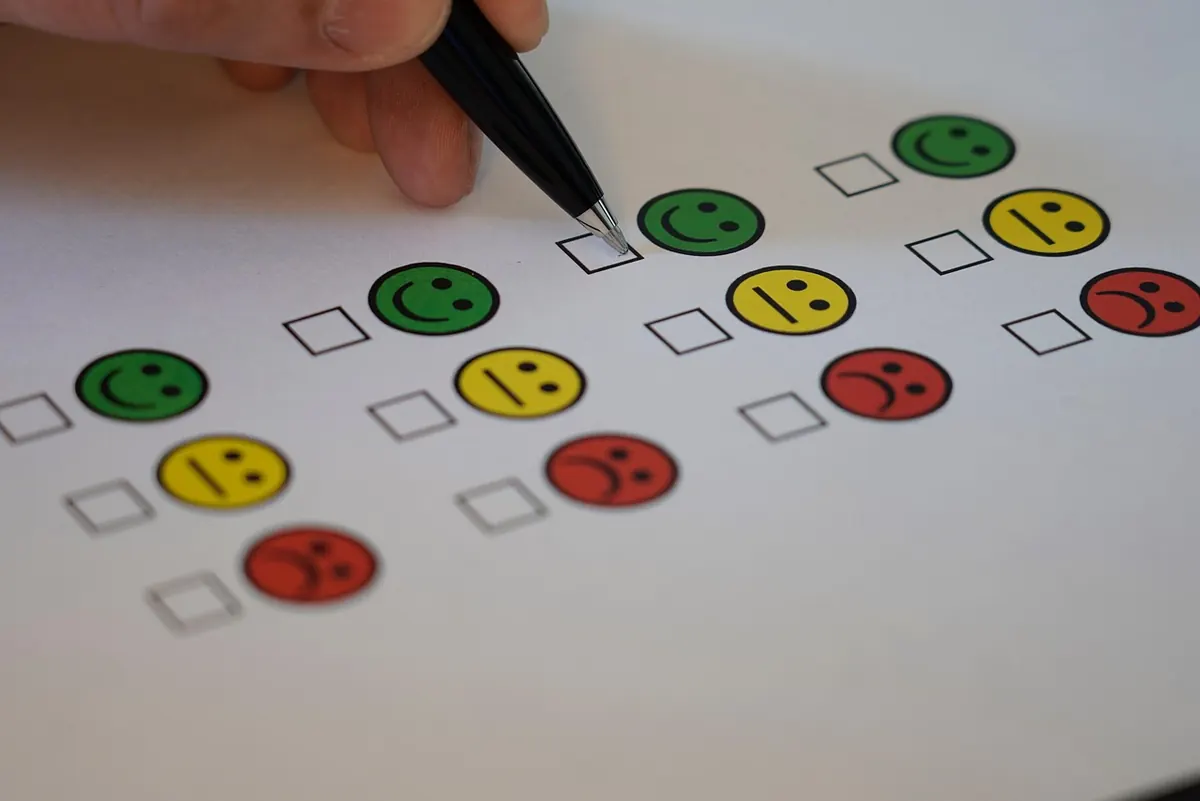
A workshop ends. Chairs scrape back, someone thanks you at the door, and you're left holding a stack of half-finished work and a vague sense that it went well. Maybe it did. A feedback form is how you find out what actually happened in the room — not just whether people had a pleasant afternoon, but which exercise landed, where your instructions blurred, and what you should teach next.
Most forms ask questions that can't help anyone. Did you enjoy it? Would you recommend it? Those answers feel good to read and change nothing. The forms worth keeping give you something to do on Monday.
Ask About the Work, Not Your Personality
The quickest way to get useless feedback is to make it about you. People are kind, and a question like "How was I as a teacher?" invites a polite answer. Point the questions at the work instead: the pacing, the materials, the exercises, the room.
- Instead of "Did you enjoy the class?" ask "Which part of today would you keep, and which part would you cut?"
- Instead of "Was the teacher clear?" ask "Was there a moment where you weren't sure what to do next?"
- Instead of "Any comments?" ask "What would you tell someone who was thinking about taking this workshop?"
Notice that none of these questions require the student to evaluate your character. They ask about the experience, which is something they can describe accurately.
Four Questions That Do Most of the Work
If you only ever ask four things, ask these. They cover what to protect, what to fix, what to change, and where to go next.
- What was the most useful thing you did today? Answers here show you which exercise to keep and build on — and it's often not the one you spent the most time preparing.
- Where did you get stuck or lose momentum? This is the question that earns its keep. Friction points are invisible from the front of the room.
- If you took this again, what would you want done differently? It gives permission to critique without anyone having to complain.
- What do you want to learn next? Half curriculum planning, half market research, and students answer it generously.
Keep each question to a single idea. "Was the pacing and the materials and the venue okay?" will get you one word, and you won't know what it refers to.
Match the Question to the Moment
At the door, before people leave
Hand out an index card with two questions and ask for ninety seconds. Ask about the day itself while it's still fresh. Something like: What worked? What would you change? Collect the cards at the door so nobody has to hand them to you directly.
A few days later
A short online form sent two to five days afterwards catches the longer view. Ask about application rather than enjoyment: "Have you used anything from the workshop since?" and "What did you find yourself explaining to someone else?" If they used it, the workshop did its job. If they only remember the good sandwiches, that's information too.
Halfway through a multi-week course
Don't wait until the end. A two-minute check-in at the midpoint — "What's working, and what should I adjust for the second half?" — gives you a chance to actually change something. Students notice when a suggestion shows up the following week, and they answer more honestly the next time you ask.
Use Rating Scales Sparingly
Numbers are useful for tracking change across a run of workshops. They're poor at explaining anything on their own.
If you use a scale, label both ends in words, not just numbers, and keep it consistent from workshop to workshop so you can compare. One or two scales is plenty: pace and difficulty are the two that most often need adjusting. Then follow each scale with a single line: What made you choose that number? The number tells you something shifted; the sentence tells you why.
Watch for the ceiling problem. If everyone marks the top of the scale every time, the question has stopped working. Either widen the scale or reframe it — "What would have made this session better?" — which gives people room to answer honestly without rating you badly.
Small Choices That Improve the Answers
- Say it's anonymous, and mean it. If you need names for follow-up, collect contact details on a separate slip.
- Hand out the form before the tidy-up. People write more carefully when they aren't already halfway out the door.
- Give them something to write on. Paper and a pen beat asking people to type a web address from a slide.
- Leave space. Big blank boxes get longer answers than cramped ones.
- End with an open line. "Anything else you'd like me to know?" catches what your questions missed.
- Don't ask what you won't act on. If the venue can't change, don't invite comments about it and then ignore them.
Reading the Answers Without Getting Defensive
Read everything twice. The first pass, you're a person, and a sharp comment will sting. That's fine. The second pass, you're a teacher looking for patterns.
One person mentioning the music is a preference. Six people mentioning the pacing is a design problem.
Sort comments into three piles: keep, change, and test. Most feedback belongs in the third pile, because you rarely know whether a suggestion will work until you try it once. "More time on glazing" is easy to test in a single session before you rewrite the whole schedule. Comments with detail are the ones worth acting on; "it was fine" tells you almost nothing, and you shouldn't read it as either praise or complaint.
A System You'll Actually Keep
The forms only matter if they reach the next version of the workshop. So keep it simple.
- Pick two touchpoints: a card at the door and a short form a few days later.
- Put a review slot in your calendar for the week after the workshop ends. Thirty minutes is enough.
- Read the responses and write three lines in a notebook: one thing to keep, one to change, one to test.
- Store the forms in a folder named after the workshop. After three or four runs, that folder becomes a record of how your teaching has changed.
- Open the notebook page before you plan the next date. This is the step everyone skips, and it's the one that matters.
You don't need a longer form or better software. You need four questions, a consistent moment to ask them, and the habit of reading the answers before you teach the thing again.
Photo: iKrUeMeL / Pixabay