
Local Art Market Checklist: What to Pack, Display, and Sell
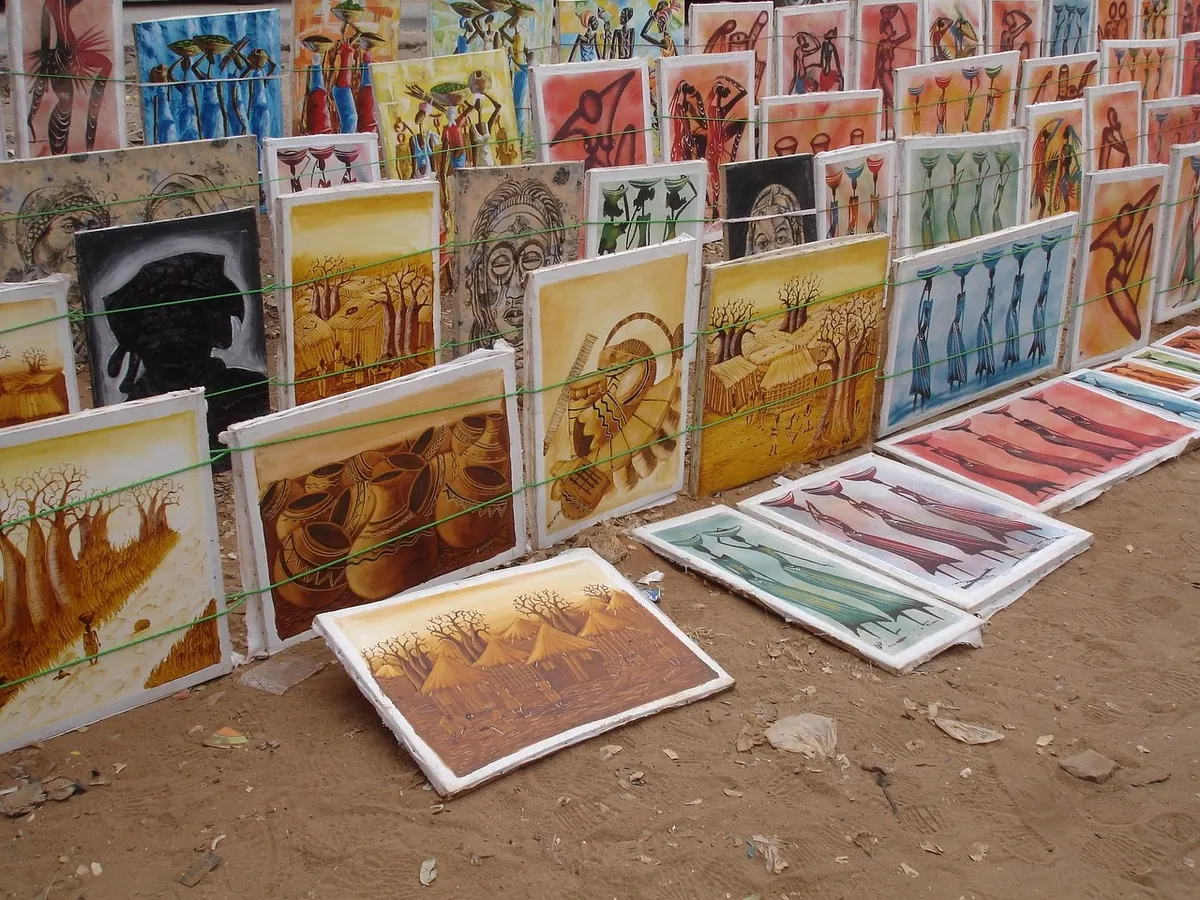
Your first market will teach you more about your work than a month in the studio. It will also teach you that a folding table with a sheet over it is not a booth, and that you will forget something. The artists who look calm at 8 a.m. on market day are not more talented. They packed on Thursday.
Start With the Booth, Not the Inventory
Before you count a single piece, decide what your space actually is. A ten-by-ten footprint with one six-foot table against the back wall feels generous. The same footprint with two tables and a rack feels crowded and hard to shop. Sketch it on paper, then walk it in your driveway. Where do people enter? Where do they stand while you wrap a purchase? If a customer has to step sideways to let someone pass, you have too much furniture.
Weigh down whatever is holding your work up, and read the market's own rules on weights and staking. A tent that lifts in a gust ends the day for everyone nearby. Keep your setup simple enough that one person can build it in under an hour, because sometimes that one person is you at 6:40 a.m. in the rain.
The Packing List That Saves the Day
Two bins, packed the same way every time. One is the booth, one is you.
Booth kit
- Table coverings that reach the floor, plus clips
- Risers, crates, and boxes for height, covered in fabric
- Price tags, a pricing pen, and a spare roll of double-sided tape
- Zip ties, binder clips, a small tool kit, scissors
- Wrapping paper, tissue, bags, and labels
- Card reader, backup payment app, phone charger, power bank
- Cash float in small bills, plus more change than feels necessary
- A locked cash pouch you wear, not an open box on the table
- Mirror, hand towel, and hand sanitizer
- Notebook for custom orders, commissions, and email signups
- Business cards and a sign-up sheet
Your kit: water, real food, sunscreen, a hat, layers, a folding chair, a tarp, and a hand truck if you have one. Add a small bin for your phone and keys so they don't wander off.
How Much Inventory to Bring
Bring enough that the table never looks picked over. Depth beats variety: ten small pieces of the thing people reach for first will outsell a lonely two of ten different designs. Plan to restock the front of the display two or three times during the day, which means storing the overflow under the table in flat, labeled bins.
Carry a range of prices. Someone who loves your work may not be able to buy the large framed piece today, but they will buy a small print, a card, a pin, or a mug. Lower-priced work is not a compromise; it is how a stranger becomes a collector. Bring one or two pieces you would hate to sell. They anchor the display and show people what you are capable of.
Display: Make the Eye Travel
Get some height
Flat work on a flat table is nearly invisible from the aisle. Put crates, cake stands, boxes, or stacked books under fabric and build three levels. Group in odd numbers, and leave gaps. Open space reads as confidence; a packed table reads as a yard sale.
Price everything
Visible prices cut questions, cut haggling, and let shy customers decide in their own time. A small tag with the price and one line about the material — "stoneware, dishwasher safe" — does more selling than a paragraph.
Sign the booth, not every item
One clear sign with your studio name, what you make, and where to find you online. If you take commissions, say so and write down what people ask for. Handwritten is fine. Illegible is not.
Light it, and seat yourself wisely
Clip battery lights to the tent frame for evening markets and dim halls. For anything wearable, keep a mirror at eye level. And put your chair to the side of the table rather than behind it. You close better standing, and people approach a booth where someone is present instead of barricaded.
Payments, Cash, and Paperwork
Test your card reader at home, on the same phone you will use, before you leave the house. Know what it does when the signal drops, and have a second way to take a card. Most buyers no longer carry much cash, and a sale lost at the booth rarely comes back online later.
For cash, keep a float of small bills and coins, wear it on your body, and make change slowly and out loud so both of you can follow. At the end of the day, count it twice.
Keep a simple sales log: time, item, price, payment type. Permit and sales tax rules differ from town to town, so check your local requirements and talk to an accountant before your first market, then set aside the tax portion as you go. That is a general pointer, not tax advice.
Market-Day Timeline
- Two nights before: finish production, photograph everything, update your inventory numbers.
- The night before: pack both bins, charge everything, load the car with anything that won't melt or walk.
- Arrival: aim for ninety minutes before opening. Park, check in, find your spot, start building.
- Set-up order: tent and weights, tables, coverings to the floor, risers, product, signage, lights, then cash and reader last so they are never left unattended.
- During: restock, note what sells, ask buyers how they found the market. Eat something.
- Pack-down: wrap glass first, count cash twice, walk the space for anything left behind.
The Ten-Minute Debrief
Before you unload the car, write four lines in the notebook: what sold out, what didn't move, what you ran out of, and what annoyed you. Then fix one of those before the next market. Tape your packing list inside the bin lid so it never has to be rebuilt from memory. Do that twice and market day stops being a scramble and becomes a system — one that leaves you enough energy to actually talk about your work, which is the whole point of being there.
Photo: mdccruz01 / Pixabay